Serving Pasco, Pinellas, Hernando and Hillsborough Counties
★★★★★ 4.6 from 111 Google reviews|(727) 372-4722
Criminal defense
Jonathan Maguire spent more than six years as an assistant state attorney in Florida’s Sixth Judicial Circuit, prosecuting cases in Pasco and Pinellas counties, before he began defending the people charged. He knows how the office prosecuting you builds its case, and where those cases have weaknesses.
A criminal charge is decided by what happens in the first days as much as by what happens at trial.
What you say to police, whether you are released and on what conditions, and whether evidence was gathered lawfully all get set early. We take misdemeanor and felony cases across Tampa Bay, and we take the call when someone has just been arrested.
Say that you want a lawyer, and then stop talking. You are required to identify yourself; you are not required to answer questions, consent to a search, or explain your side, and nothing you say to an officer is off the record. Being polite and being silent are not in conflict.
Then call us. If you have been arrested in Florida you will have a first appearance before a judge within 24 hours, where bond and release conditions are set. Having an attorney at that hearing, or reaching one immediately after, is the single most useful early step.
A former prosecutor knows firsthand how the state builds a case, what evidence carries weight with a jury, and where the prosecution’s argument is likely to be weak. Jonathan spent more than six years on the other side of the courtroom as an assistant state attorney in the Sixth Judicial Circuit, prosecuting in Pasco County (New Port Richey and Dade City) and Pinellas County (Clearwater and St. Petersburg). He handled thousands of cases, from misdemeanors through first-degree felonies, tried more than 50 of them to a jury, and resolved hundreds more by negotiated plea.
For two and a half years he was Pasco County’s dedicated child abuse and sex crimes prosecutor, the office’s most sensitive and most closely scrutinized cases. That is the background he brings to each defense: he can anticipate the state’s strategy rather than react to it.
Misdemeanors are punishable by up to one year in the county jail and are handled in county court. Felonies carry more than a year and are handled in circuit court, with sentences that increase by degree from third-degree felonies up to capital offenses. Florida uses a sentencing scoresheet for felonies that assigns points to the current offense and prior record and produces a minimum sentence the judge generally cannot go below without a lawful reason.
The distinction matters beyond the sentence. A felony conviction affects the right to vote, to possess a firearm, to hold certain licenses and, for non-citizens, immigration status, in ways a misdemeanor usually does not.
After arrest comes first appearance and, for most cases, a decision by the State Attorney’s Office about what to formally charge, which is not always what the arrest report says. An arraignment follows, where a plea of not guilty is entered, and the case moves into discovery, where the defense receives the state’s evidence and can take depositions of its witnesses. Motions to suppress unlawfully obtained evidence or to dismiss are filed during this period. Most cases resolve by negotiation, diversion or dismissal before trial; the ones that do not are tried to a jury.
The full range of Florida state charges: DUI, drug possession and related offenses, domestic violence charges and the injunctions that often accompany them, theft and property crimes, battery and assault, robbery and other violent felonies, sex-related offenses, driving on a suspended license and other traffic offenses that carry criminal penalties, and violations of probation, from misdemeanors through first-degree felonies. Because the firm also practices family law, we are used to cases where a criminal charge and a family case are happening at the same time and affect each other.
Throughout the Tampa Bay area. Pasco County (New Port Richey, Dade City and Zephyrhills), Pinellas County (Clearwater, St. Petersburg and Largo), Hillsborough County (Tampa, Brandon and Plant City) and Hernando County (Brooksville and Spring Hill). The office is in New Port Richey, a few minutes from the West Pasco Judicial Center, and consultations are by phone or in person.
Sometimes. Pretrial diversion programs, available for some first-time and lower-level offenses, end in a dismissal when the program is completed. A withhold of adjudication avoids a formal conviction. And for eligible cases, Florida allows a record to be sealed or expunged after the case is over, which we can handle as a separate matter. Eligibility depends on the charge and your history, so this is a question to ask early.
Related practice areas
DivorceChild Custody & Time-SharingChild SupportChild Relocation
Free first consultation
Talk to an attorney about your situation.
By phone or in the office. Monday to Friday, 9:00 to 5:00.
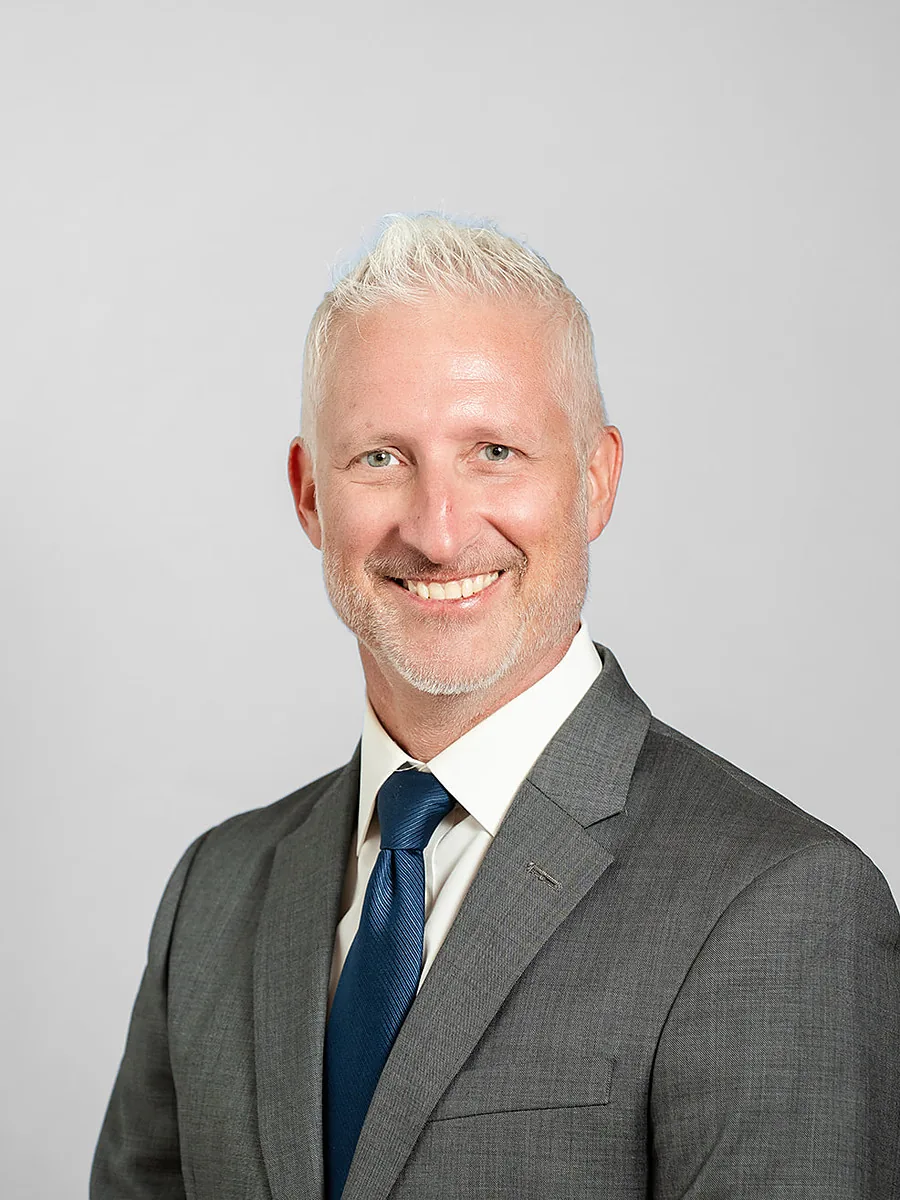
Handled by Jonathan Maguire
Common questions
General information about Florida law, not legal advice for your specific case.
A misdemeanor can still mean jail, probation, a permanent record and a license suspension, and the plea offered at the first hearing is rarely the best available outcome. It is worth a consultation before you accept anything.
Your license is suspended administratively at the time of arrest if you blew over the limit or refused, separately from the criminal case. You have 10 days from the arrest to request a formal review hearing with the Department of Highway Safety and Motor Vehicles or to apply for a hardship license. That deadline is short and firm.
No. Once a case is filed, the decision to prosecute belongs to the State Attorney, not the person who made the report. A victim who does not want to proceed can tell the state so, and that can affect the case, but it does not end it automatically.
Most people are released after first appearance on bond or on their own recognizance, with conditions such as no contact with an alleged victim. We address bond at first appearance or by motion afterward.
An allegation that you did not comply with a condition of a sentence, such as missing a meeting, failing a test or picking up a new charge. There is no bond by right on a violation, and the standard of proof is lower than at trial, so these need to be handled quickly.
No. The firm practices in Florida state court, in Pasco, Pinellas, Hillsborough and Hernando counties.
The first consultation is free, by phone or in the office. Call during business hours or send a message and we will get back to you.
Catey & Maguire Law, P.L.L.C.
6230 Lafayette St, New Port Richey, FL 34652
Monday to Friday, 9:00 am to 5:00 pm. Saturday and Sunday, closed.